
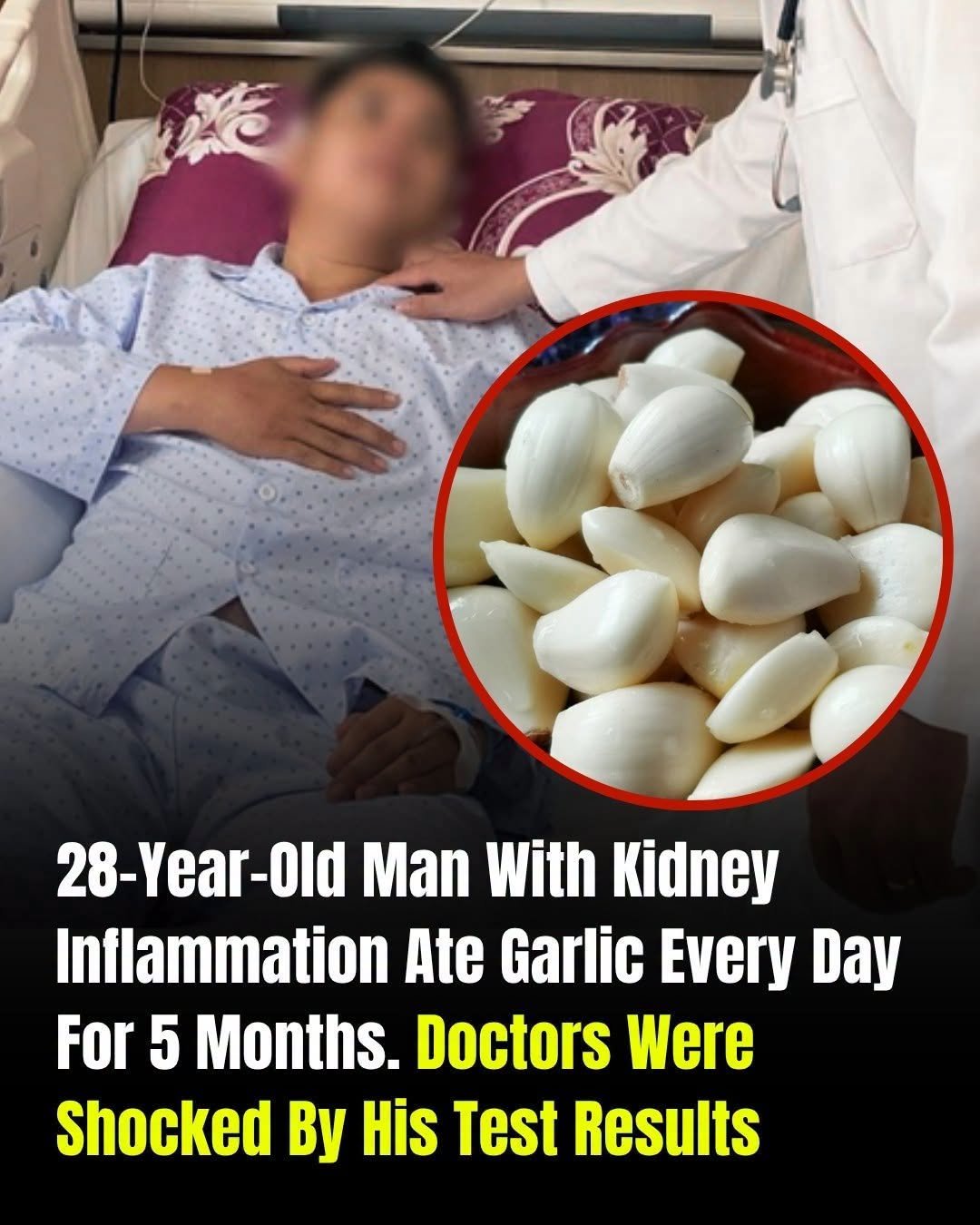
What Doctors Noticed
After several months, follow-up evaluations showed improvements in some health markers. Doctors reportedly observed better blood pressure control, reduced signs of systemic inflammation, improved dietary habits overall, and healthier weight management.
While these changes were encouraging, healthcare professionals emphasized an important point: the improvements could not be attributed solely to garlic. Many factors likely contributed, including improved nutrition, reduced processed food intake, better hydration, consistent medical treatment, and other lifestyle modifications.
This distinction matters. It is easy to look for a single hero ingredient, but real health progress usually comes from a combination of thoughtful choices working together over time.
How Garlic May Support Kidney Health
Although garlic is not a treatment for kidney disease, researchers have explored several mechanisms that may offer supportive benefits.
First, antioxidant protection. Kidneys are vulnerable to oxidative stress, which occurs when harmful molecules known as free radicals damage cells. Garlic contains antioxidants that may help reduce oxidative stress throughout the body, potentially supporting kidney function indirectly.
Second, anti-inflammatory properties. Chronic inflammation is associated with many kidney disorders. Compounds found in garlic may help regulate inflammatory pathways, potentially supporting overall health and reducing strain on the kidneys.
Third, blood pressure support. High blood pressure is both a cause and consequence of kidney disease. Some studies suggest garlic may contribute to modest reductions in blood pressure in certain individuals. Since healthy blood pressure helps protect kidney function, this effect has attracted scientific interest.
Fourth, cardiovascular benefits. People with kidney disease often face an increased risk of cardiovascular complications. Garlic has been studied for its potential role in supporting healthy cholesterol levels, improving vascular function, and promoting circulation. These indirect benefits may contribute to better long-term health outcomes.
