
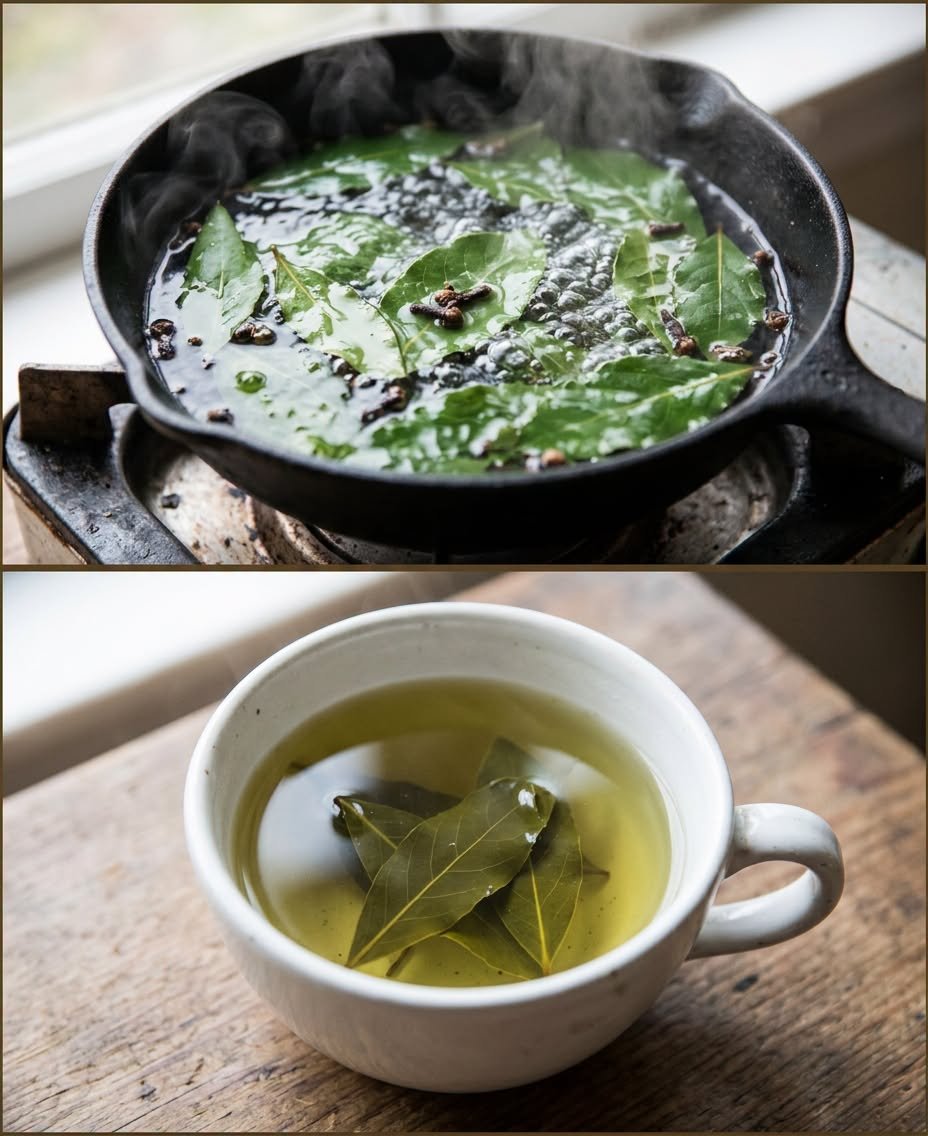
Steep bay leaves in a vegetable oil (such as olive or sweet almond oil) for a few days, then strain. This homemade oil can then be applied to soothe skin irritations or calm redness.
In the kitchen: a subtle but essential aroma
Of course, bay leaves remain a staple of French cuisine. They are a welcome addition to soups, broths, stews, and sauces. They are also perfect in a bouquet garni, combined with thyme and parsley, to subtly flavor your dishes. A handy tip: fresh leaves have a more pronounced flavor, but dried leaves keep for a long time and are just as effective.
Be careful not to make a mistake
Only the leaves of Laurus nobilis, also known as bay laurel, are edible. Other varieties, such as oleander (Nerium oleander) or cherry laurel (Prunus laurocerasus), are toxic and should never be used in cooking or applied to the skin.
An age-old gesture to rediscover
Discreet, versatile, and easy to incorporate into your daily life, bay leaves deserve a prominent place in your kitchen, bathroom, or wellness routine. A simple, time-honored practice, accessible to all, for natural self-care.
